Turning Viral Memes Into Profitable Apps at 14 y.o. — And Scaling the System to 50+ Apps later
A podcast recap on how Rafael Kramer built a repeatable distribution engine—moving fast on trends, validating with no-code, structuring influencer equity deals, and using consumer psychology to drive millions of downloads.
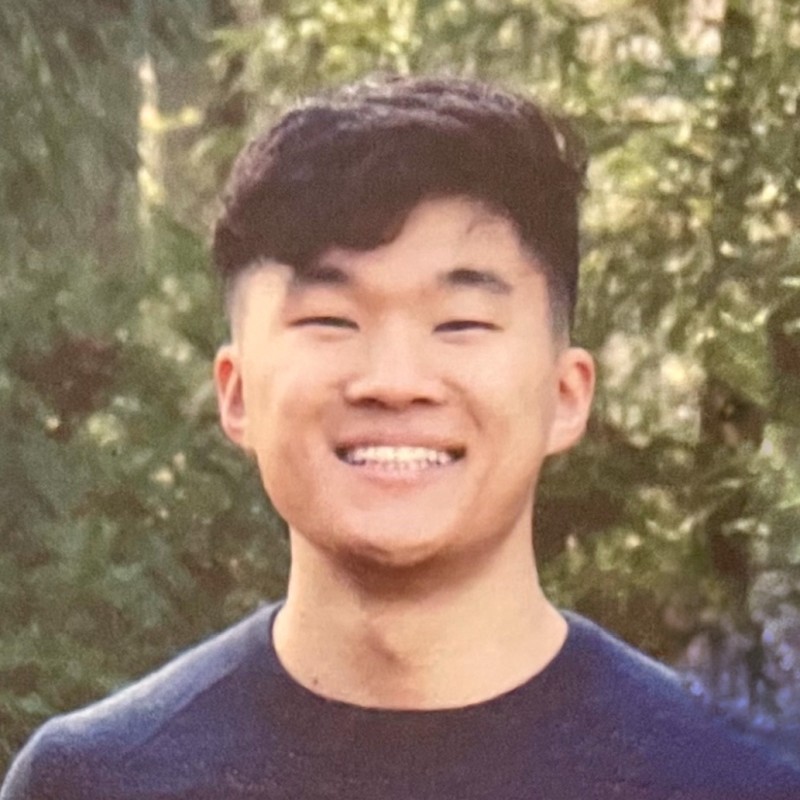
Turning a viral meme into a real business isn't exactly common. Most founders struggle to get their first hundred downloads, let alone millions. But Rafael Kramer, the founder behind Mindmush, pulled it off—over 50 times. At just 14 years old, he turned a viral meme into a simple game that made over six figures in profit in a single month. And he did it by moving faster than everyone else.
In today's podcast interview recap, we'll break down his playbook. Rafael has racked up over 10 million downloads across 50+ apps, sold a mobile gaming company, and grown his TikTok to 400K followers—and he's refreshingly transparent about what actually works versus what's just noise.
As always, if you haven't seen the interview yet, definitely check that out below. For now, on to the recap.
The meme-to-game formula that started it all
Rafael's breakout moment came from a viral meme about rapper DaBaby's head being a car. He saw it on TikTok the day it dropped, pulled an all-nighter to build a game around it using a no-code tool called Buildbox, and promoted it through his personal brand. The result? Two million downloads in about a month and over $100K in profit.
But here's the thing—this wasn't a one-off lucky break. It was a repeatable system. As Rafael explained, "That was my whole strategy. I would find something that pops off, find it early, make a game, put it on the app store, and then make videos about it and hope they go viral."
The core insight? A meme is 2D—you see it, laugh, and scroll. But a game lets you interact with it. That interactivity makes people share it on their own, which kicks off organic growth that compounds fast.

Why speed mattered more than code quality
Rafael didn't start with a team of engineers. He started with Buildbox during the pandemic as a bored 13-year-old who Googled "how to make money." No-code tools let him ship fast enough to ride trends before they peaked—and speed was the only thing that mattered.
Once the money started coming in, he hired Unity developers. But the early wins were all about velocity over polish. Even his most profitable game was built with a no-code tool. The lesson? Validate with speed first, upgrade later.
The dead-simple monetization approach
Rafael didn't bother with complex in-app purchases. He just used Google AdMob—an ad pops up every time you die, and a 30-second video plays if you want to revive. That's it.
He estimates his early games earned roughly 10 cents per user, which he admits is low compared to the 80 cents to a dollar well-monetized games pull in today. But when you're getting two million downloads? The math still works. As Rafael put it, "If I had monetized it better, I could have made much more money." But at that scale, even basic monetization prints cash.
Cracking influencer distribution with equity, not fees
After running the meme-game playbook dozens of times, Rafael founded InfluencerApps—a company that partnered with creators to launch games together. The biggest example? He connected with the creator behind Skibidi Toilet when the channel had around five million subscribers. One YouTube Shorts video got over 50 million views and drove millions of downloads.
But here's where most people get it wrong—Rafael didn't just pay influencers for a post. He offered 50/50 revenue splits. The genius move? Making influencers feel like it was their game. Weekly calls, shared creative input, character updates.
You really have to make them feel like it's their game, which it is.
— Rafael Kramer
He also learned the hard way that follower count doesn't equal results. One influencer with five million followers and two million views per video completely flopped because the audience just wasn't the right fit. The real signal? Check the comments—are people actually engaging, or just dropping flame emojis?
The TikTok content machine behind the downloads
Rafael didn't just build apps—he built a content engine around them. His TikTok strategy involved creating dev logs that documented the game-building process, testing different hooks, and A/B testing early videos to find what worked.
The interesting part? Only a fraction of downloads came directly from TikTok. The initial batch—maybe 300K to 400K—came from the first few videos. From there, word of mouth took over. Kids played on their lunch break, showed friends, friends tried to beat their high scores, and the game charted on the App Store. Once you're on the charts, curiosity drives the rest.
He also hired faceless UGC creators to run slide-based accounts promoting his apps—paying them on a CPM basis and letting them figure out what worked. His advice? You don't need expensive agencies. "Get a couple high school guys that want to make some extra money and teach them how to make slideshows."
From meme games to consumer apps—and what changed
After running this playbook for nearly 50 apps, Rafael pivoted to consumer apps in 2025. His third launch, DBLI—a looks-maxing app with a debloating angle—got 40K downloads and eventually got acquired. The marketing was easy, but the real shift was in product thinking.
For DBLI, he used a clever onboarding trick: a face scan before the paywall. Users took a photo, got a slightly exaggerated bloating score, and then hit the paywall with sunk-cost psychology working in his favor. That's consumer psychology in action—and it came from Rafael's intuition about what users are feeling the moment they open the app.
But here's the kicker—Rafael is the first to admit he's never been a product guy. "I can clearly get downloads. I can clearly get views. I've just never had a good product." That self-awareness is driving his next move: a wellness and mental health app that he calls his "biggest swing ever."
Practical advice for app founders looking to crack distribution
- Move fast. Trends have a shelf life. If you can't ship in days, not weeks, someone else will beat you to it.
- Study the comments, not the follower count. Real engagement—people asking questions, responding to each other—is the signal that an influencer's audience will convert.
- Let influencers own the narrative. Don't hand them a script. Give them equity or incentives and let them create content their way. They know their audience better than you do.
- Start with no-code, upgrade later. Validate the idea with speed. You can always hire developers once revenue proves the concept.
- Use consumer psychology in your onboarding. Think about what the user is feeling when they download. Build the experience around that emotion—not around features.
- Treat every launch as an experiment. Not every app will be a hit. But every launch teaches you something about distribution, content, and what resonates.
Wrapping up
Rafael's success is about building a repeatable system—spot the trend, ship fast, distribute aggressively, and learn from every launch. Over 50 apps, he's refined an instinct for what captures attention and turned it into a distribution engine that works across meme games, consumer apps, and influencer partnerships alike.
The tactics might evolve—from no-code Buildbox games to AI-generated UGC creators—but the fundamentals stay the same: speed wins, distribution is everything, and understanding your user is the ultimate competitive advantage. His next chapter in the wellness space will be the real test of whether viral marketing chops can power a product built to last.
As always, if you're ready to test your paywall, run price tests and more for your app, then you're already in the right spot. Sign up for a free Superwall account today!